If persistent hunger, cravings, or difficulty feeling full is the primary problem, one medically appropriate appetite-regulating medication may address the main barrier more directly than several experimental peptides
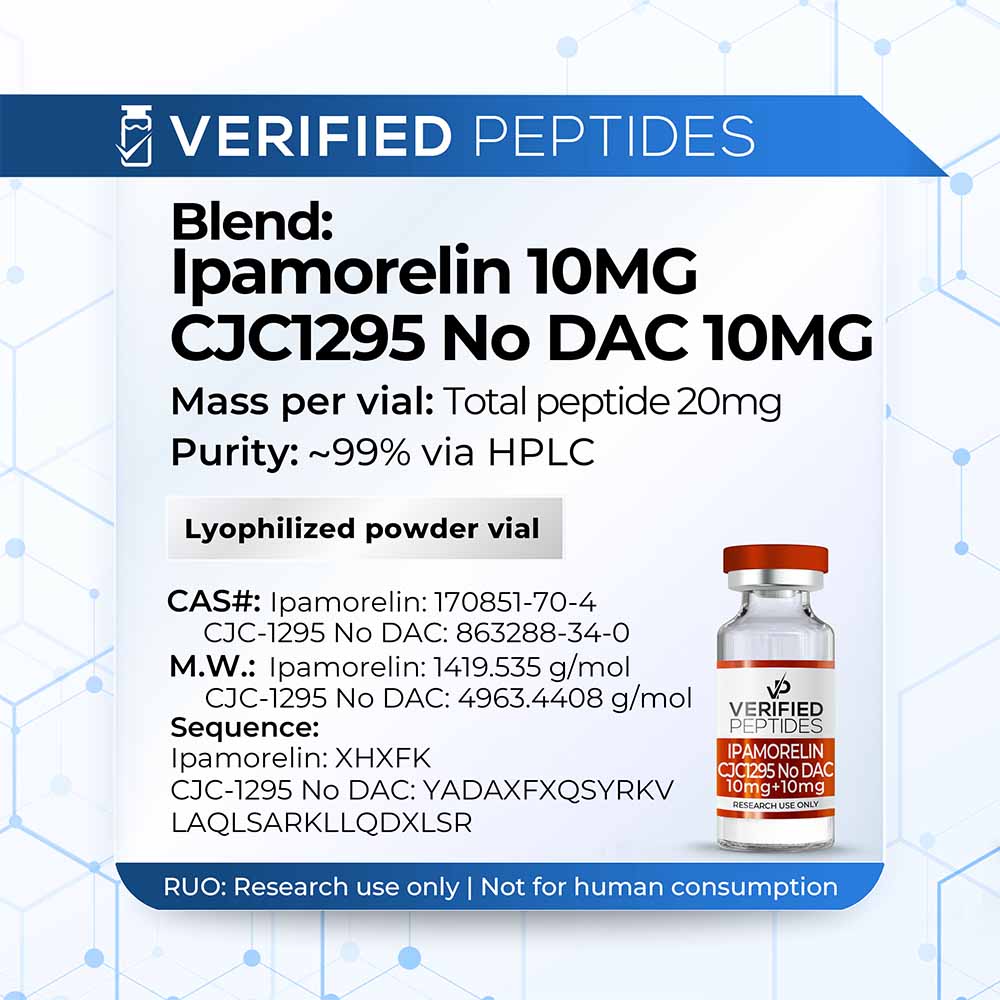
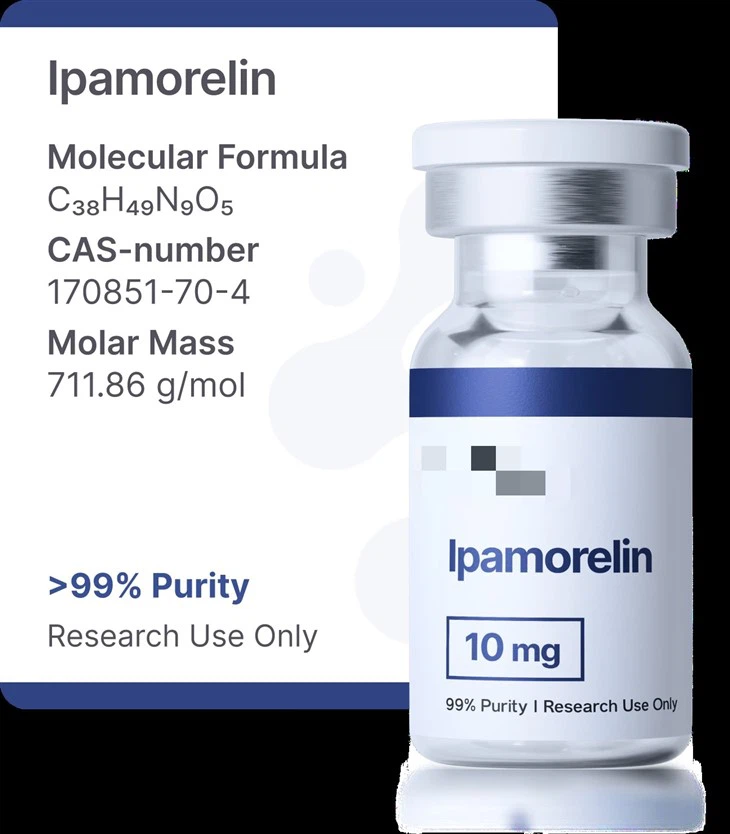
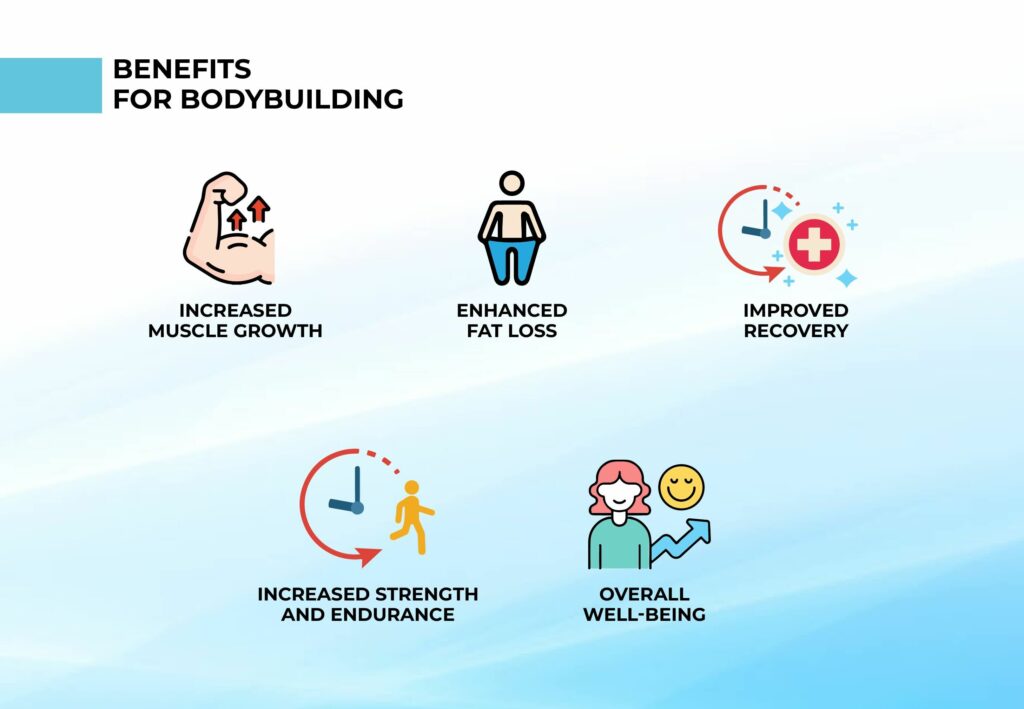
Sermorelin is a growth hormone-releasing hormone analog that signals the pituitary gland to release growth hormone, while Ipamorelin is a selective growth hormone secretagogue that is often described as well tolerated and commonly used for recovery and sleep support

Triggers include: minor mouth injury from dental work, hard brushing, sports injury, or an accidental bite dental braces toothpaste or mouthwash that contains sodium lauryl sulfate (SLS) an allergic response to oral bacteria bacterial, viral, or fungal infections in the mouth, such as hand, foot, and mouth disease sensitivities to acidic foods and beverages like strawberries, citrus fruits, pineapple, chocolate, and coffee certain nutrient deficiencies, especially vitamin B9 (folate), vitamin B12, zinc, and iron hormonal changes, such as those that occur during menstruation or pregnancy emotional stress lack of sleep Mouth ulcers can also be a sign of conditions that are more serious and require medical treatment, such as: celiac disease inflammatory bowel disease (IBD), including ulcerative colitis diabetes HIV some autoimmune diseases, including: lupus oral lichen planus Behets disease, a rare condition that causes inflammation throughout the blood vessels Symptoms of mouth ulcers may vary depending on their cause, but they typically include: painful sores that may be yellow, white, or red sores on the inside of the mouth, such as on your tongue or the insides of your cheeks or lips areas of redness or other color changes surrounding the sores pain that worsens when you eat, drink, or talk You may have more than one mouth ulcer at the same time

Subcutaneous injection delivers the peptide into the fatty tissue layer beneath the skin, allowing for gradual absorption into the bloodstream
Lai, Y.-S