Two sets of product samples were exposed to pulsed UVC light at two sterilization doses separately, and then tested for key properties and sterility to investigate if the UVC exposure at these dosages impacted BPCDX properties and/or packaging
Importantly, BPC-157s anti-inflammatory mechanisms operate differently from NSAIDs, which have been shown to impair tendon healing when used chronically
1,4 Adverse events 5% in SUSTAIN 5 8,10 AEs occurring in 5% of participants treated with Ozempic injection in SUSTAIN 5 Incidence of severe hypoglycemia was 1.5% across all placebo-controlled trials 1 Incidence of severe hypoglycemia or blood glucose-confirmed hypoglycemia (% of patients) was 8,10 : 8.3% with Ozempic 0.5 mg + basal insulin MET 10.7% with Ozempic 1 mg + basal insulin MET 5.3% with placebo + basal insulin MET Patients receiving Ozempic injection in combination with an insulin secretagogue (eg, sulfonylurea) or insulin may have an increased risk of hypoglycemia, including severe hypoglycemia 1 Adverse events 5% in SUSTAIN FORTE 4 AEs occurring in 5% of patients receiving Ozempic injection 1 mg and 2 mg in SUSTAIN FORTE In placebo-controlled trials, the most common adverse reactions reported in 5% of patients treated with Ozempic injection are nausea, vomiting, diarrhea, abdominal pain, and constipation 1 No new safety signals were identified

Some internship positions may have specific requirements regarding skill level and experience relating to the internship
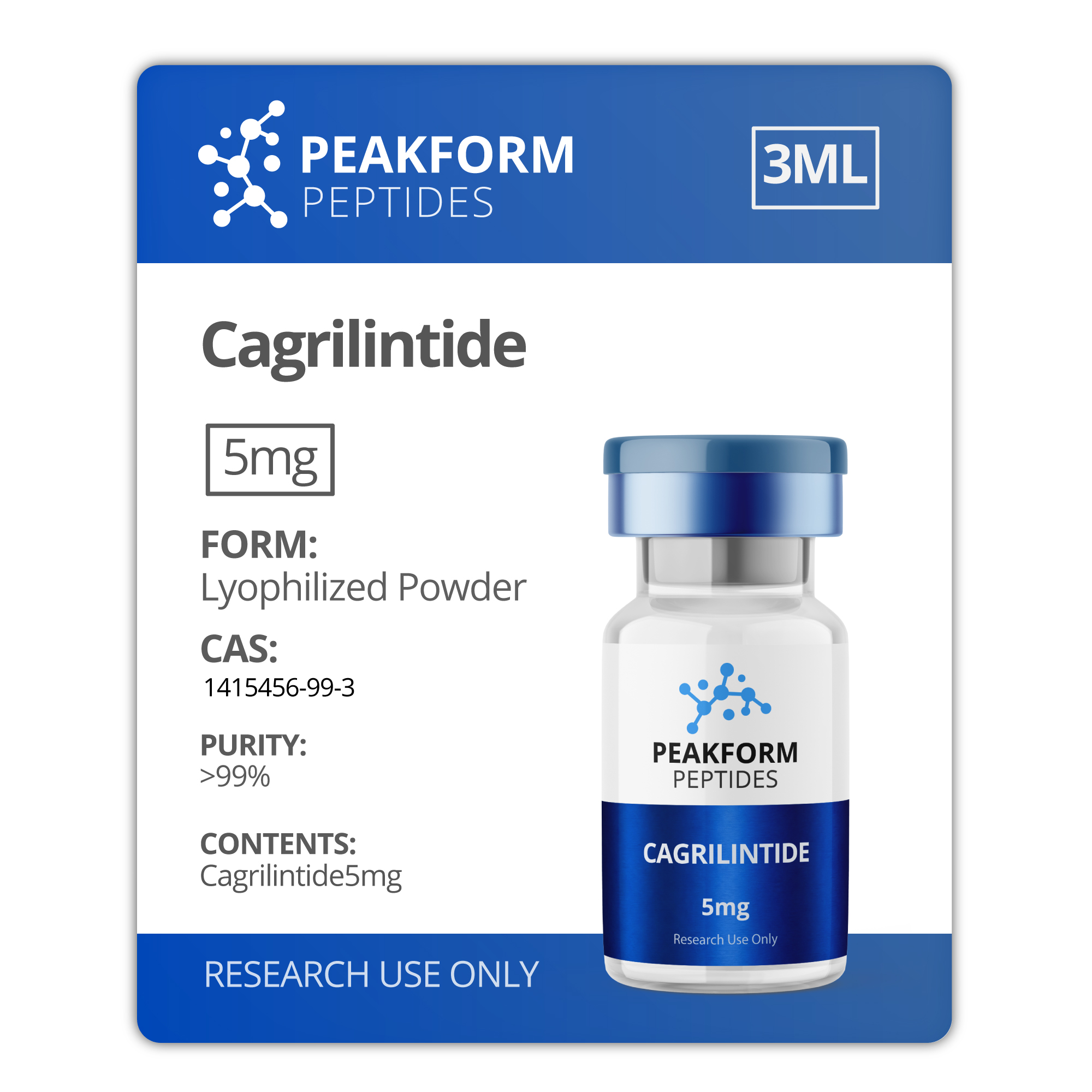
Lyophilized BPC-157 is in an anhydrous form