Mechanism of Action (MOA): Inhibit the DPP-4 enzyme, preventing the breakdown of endogenous GLP-1, leading to: Glucose-dependent insulin secretion Glucose-dependent glucagon secretion Efficacy: HbA1c reduction: 0.6%0.8% Primarily reduces postprandial glucose Common Dosing: Sitagliptin (Januvia): 100 mg once daily (dose adjustment required in renal impairment) Saxagliptin (Onglyza): 5 mg once daily ( dose in renal impairment) Linagliptin (Tradjenta): 5 mg once daily (no renal or hepatic dose adjustment) Alogliptin (Nesina): 25 mg once daily ( dose in renal impairment) Adverse Effects: Generally placebo-like URTI, headache, mild GI upset Advantages: Weight neutral Suitable for patients with renal impairment (with dose adjustment) Well-tolerated Possible -cellsparing effect Disadvantages: Risk of acute pancreatitis Joint pain Saxagliptin & alogliptin: potential risk of heart failure Precautions: History of pancreatitis Not recommended in DKA Not indicated in Type 1 Diabetes Monitor for heart failure (saxagliptin, alogliptin) #DPP4Inhibitors #Type2Diabetes #ClinicalPharmacy #Pharmacology #MedicationSafety #DiabetesCare #Endocrinology #PharmacyEducation #HealthcareProfessionals To view or add a comment, sign in 3,206 followers
.webp)
Some ethnicities, such as Asian and south east Asians, can have hereditary hyperpigmentation and some individuals have a family history of puffy lower eyelids from fat prolapse, explains Dr Maryam Zamani, an oculoplastic surgeon and creator of MZ Skin
Mittag et al., 2010
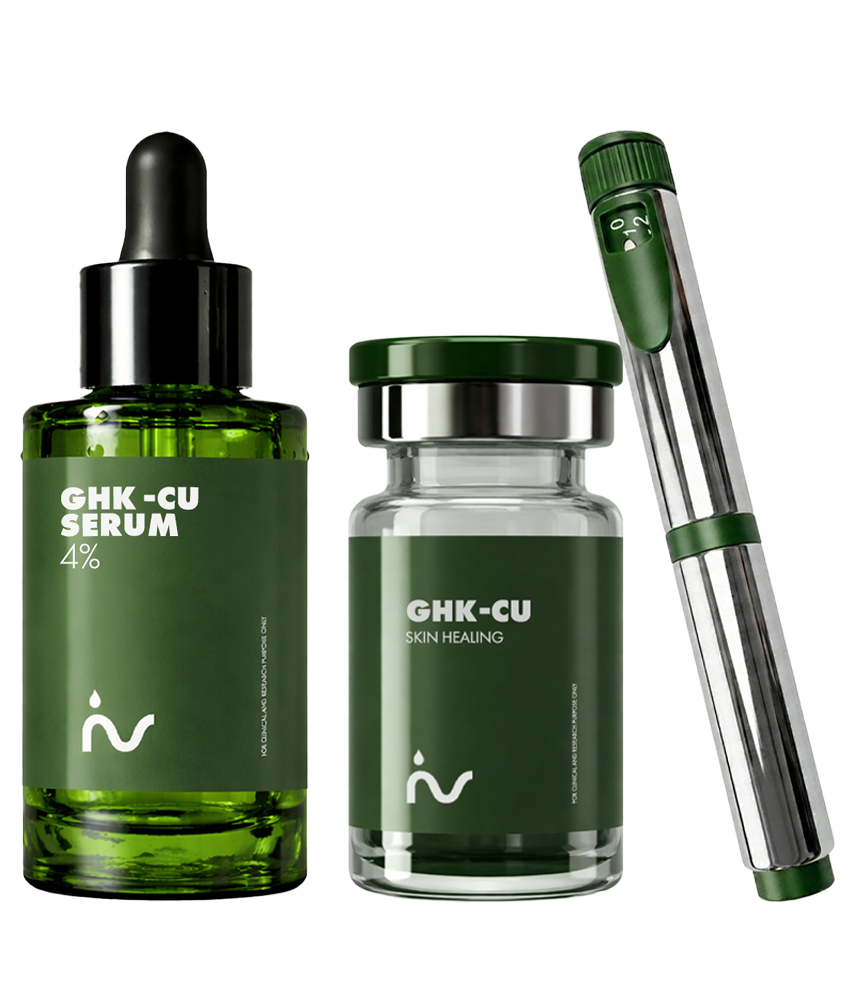
Peptide vial lyophilized (freeze-dried powder) or pre-mixed solution, as prescribed Bacteriostatic water (BAC water) not sterile water, not normal saline
This could result in a failure to identify the treatment effect, or the impact of the treatment on the population