Without it, mice had normal blood vessel formation in fat tissue but reduced fatty acid uptake, resulting in smaller fat depots
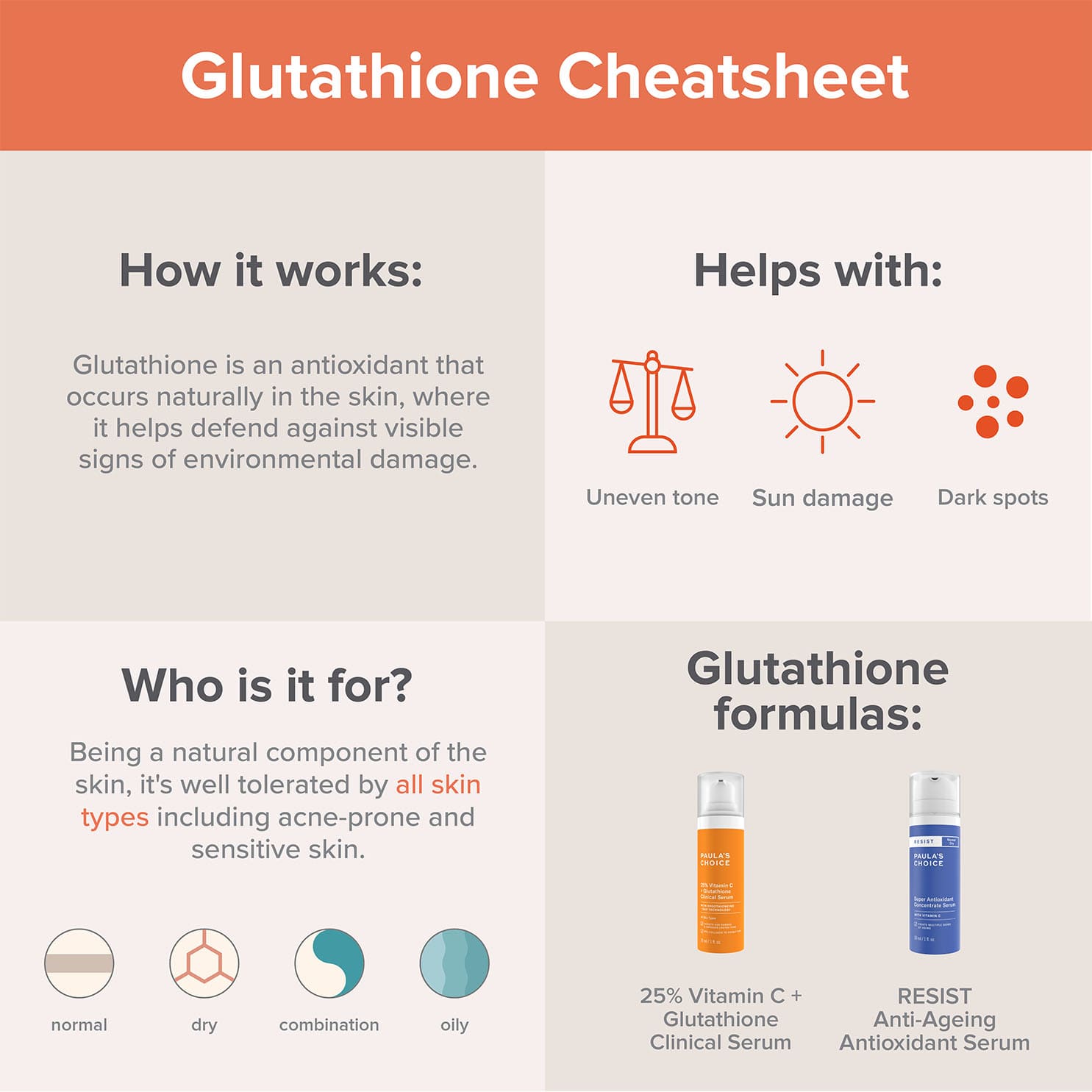
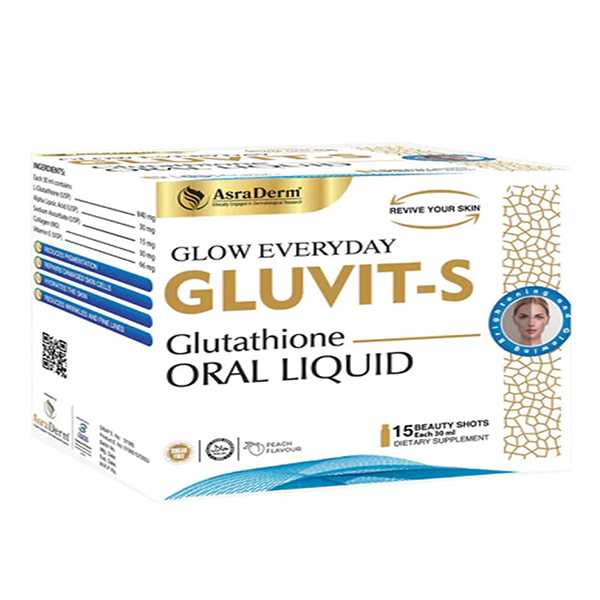
It is naturally found in every cell of the body and plays a key role in reducing oxidative stress, enhancing immunity, and assisting in the removal of toxins from the liver
Esteja ciente de que no temos controle sobre o contedo e prticas desses sites e no podemos aceitar responsabilidade por suas respectivas polticas de privacidade

Research Dose Ranges Preclinical animal studies: 110 mcg/kg (nanogram to microgram range) once or twice daily Extrapolated human equivalent range commonly discussed in clinical literature: 200500 mcg/day Human pilot IV data: doses up to 20 mg were tolerated without adverse effects in two healthy adults (Lee & Burgess, 2025) though this is far above typical outpatient dosing Protocol: Musculoskeletal / Connective Tissue Healing For tendon, ligament, or muscle injury recovery, the standard approach in clinical functional medicine practice involves: SubQ injection at 200500 mcg once daily , injected near (not into) the injury site Cycle length: typically 48 weeks , with reassessment Often combined with TB-500 (thymosin beta-4) for synergistic tissue remodeling the BPC+TB stack Best results seen alongside physical therapy, not as a substitute for it Protocol: Gut and GI Mucosal Healing For IBD, gut permeability, NSAID damage, or H

B12 injections can help to boost energy levels, reduce fatigue, and support muscle growth and recovery