In a study by Benkoucha et al., HGF exerted an anti-inflammatory effect through the generation of tolerogenic dendritic cells with the consequent suppression of auto-reactive T helper cells 1 (Th1) and Th17 cells and leading to the reduction of CD4 + T-cell-mediated nervous system injury in the experimental autoimmune encephalomyelitis (EAE) animal model of MS, in which HGF was overexpressed (HGF transgenic mice) (Benkhoucha et al., 2010)
250 mcg Other Ingredients: Vegetable Capsule (Hypromellose), Microcrystalline Cellulose, Vegetable Stearate Warnings/Cautions: Consult your healthcare practitioner prior to use if you are pregnant, nursing, taking medication, or have a medical condition
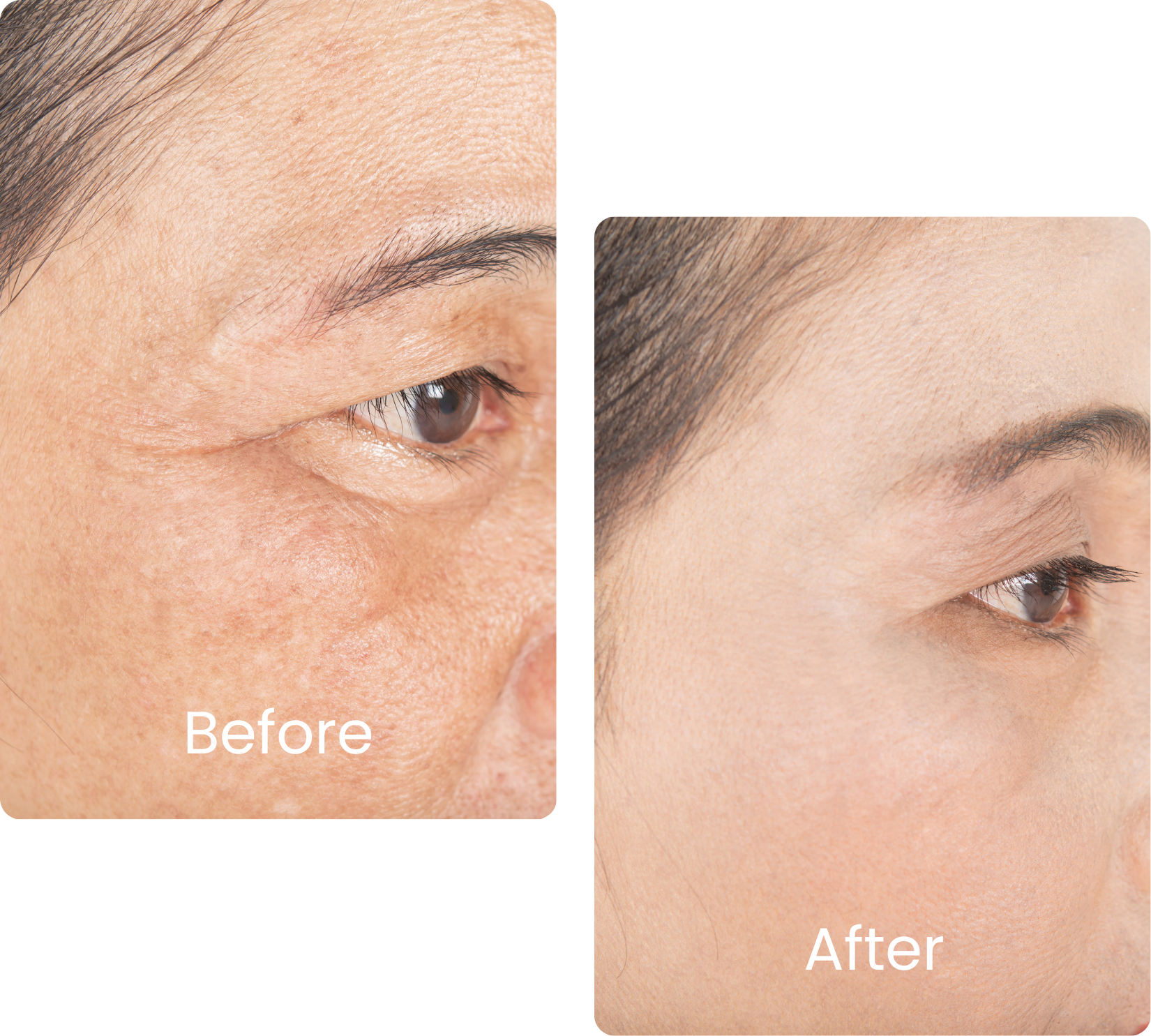
Topical makes the most sense for: Facial skin texture, fine lines, hydration Scalp application for localized hair growth Scar treatment or post-procedure recovery on a specific area Patients who want to fold GHK-Cu into an existing skincare routine Injectable makes the most sense for: Systemic wound healing (especially internal or in areas you can't easily apply cream) Joint and connective tissue support (topical simply can't penetrate deep enough) Broader anti-aging goals beyond the skin surface Patients already running other injectable peptide protocols (CJC-1295/ipamorelin, BPC-157, TB-500) Here's the thing: for joints specifically, there's no argument
Understanding 5-Amino-1MQ: An Overview of an Emerging Research Compound Advances in biomedical science continue to expand our understanding of how the body regulates energy, metabolism, and cellular processes
Notably, studies have shown that knocking down NNMT in adipose tissues and livers of mice fed a high-fat diet resulted in decreased serum TG and FFA levels (Kraus et al., 2014)