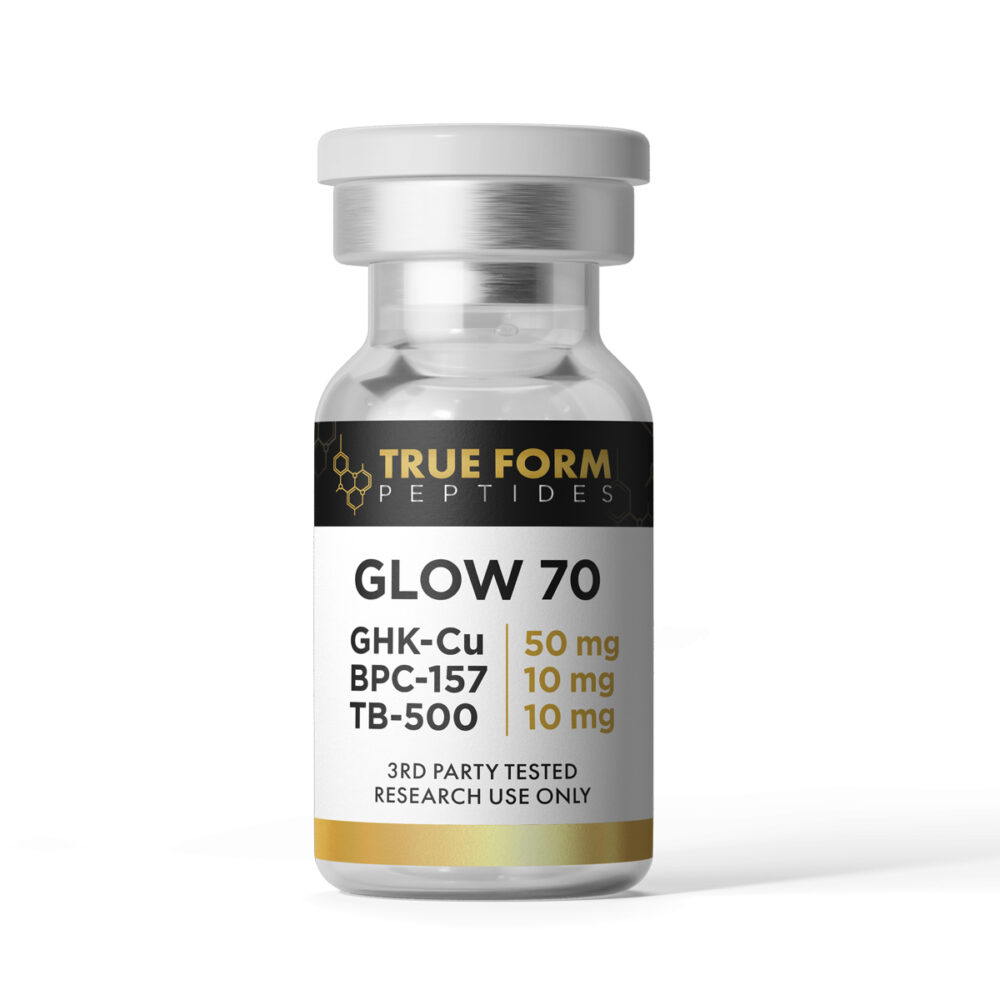
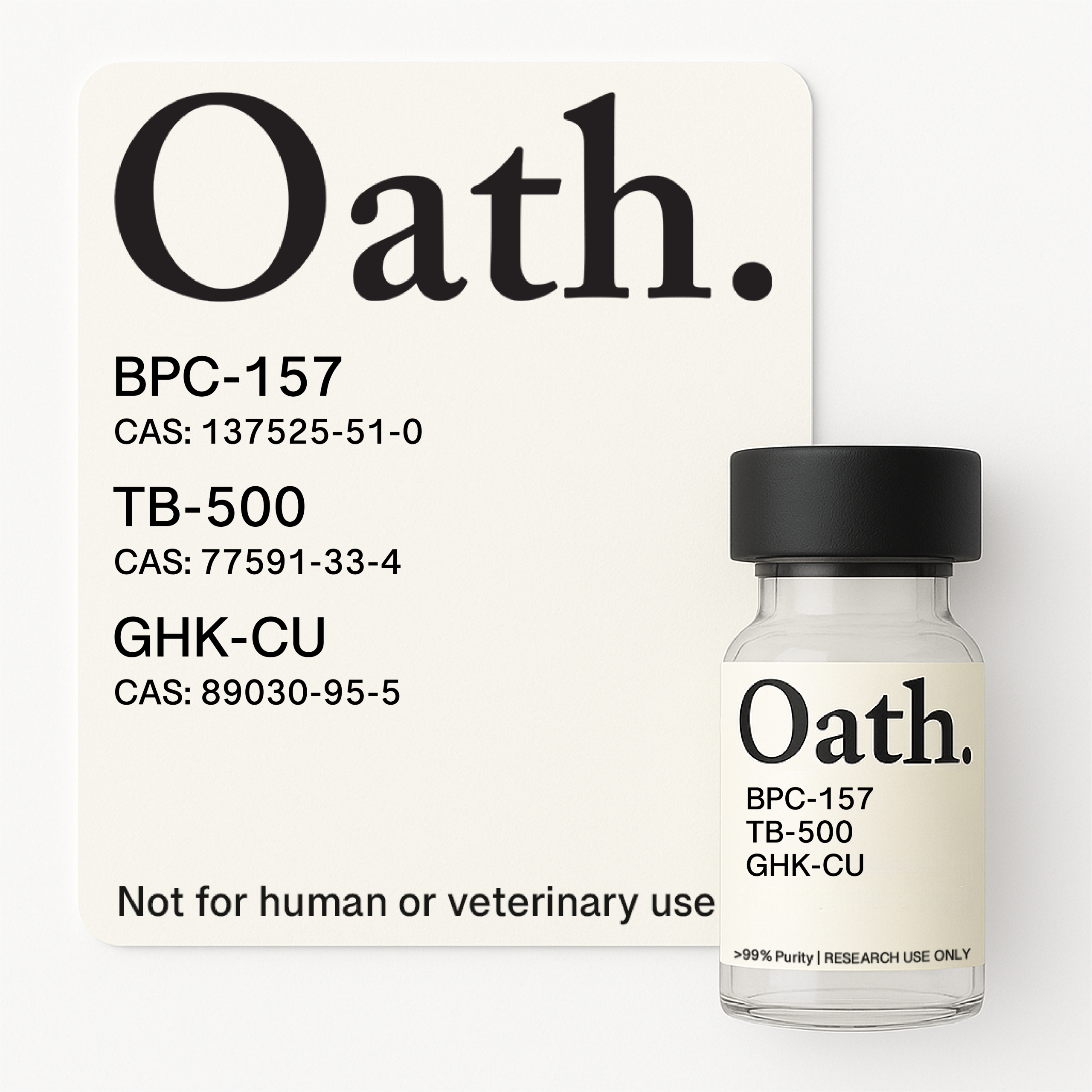
Four molecule families have peer-reviewed clinical evidence supporting their use in microinfusion-style delivery: copper tripeptide GHK-Cu (collagen synthesis, gene-expression modulation), recombinant epidermal growth factor or sh-Oligopeptide-1 (keratinocyte proliferation, dermal restructuring), polydeoxyribonucleotide PDRN (adenosine A2A receptor activation, fibroblast stimulation, anti-melanogenesis), and a multi-molecular-weight hyaluronic acid system (50 kDa to 2000 kDa fractions, each with different penetration depth and biological role)
Combining approaches often produces better results than any single method
For hot-climate destinations, consider portable USB-powered medication coolers
Remember, consulting with a healthcare professional to tailor a plan that aligns with your specific health goals is essential to ensuring you receive the most benefit from these powerful wellness tools

The Science Behind Retatrutide's Triple Mechanism Each of retatrutide's three receptor targets contributes unique metabolic benefits: GIP Receptor Activation: Enhances insulin secretion in response to food intake Influences fat metabolism and storage patterns Modulates bone metabolism and cardiovascular function Complements GLP-1 effects for improved glycemic control GLP-1 Receptor Activation: Stimulates insulin release while suppressing glucagon Slows gastric emptying to extend satiety Reduces appetite through central nervous system pathways Provides cardiovascular protective effects Glucagon Receptor Activation: Increases energy expenditure and metabolic rate Promotes fat oxidation and lipolysis Helps prevent metabolic adaptation during weight loss Balances the anabolic effects of insulin signaling This triple-action approach explains why retatrutide demonstrated remarkable results in phase 2 clinical trials, with participants experiencing up to 24.2% body weight reduction at 48 weeks [4]