However, these drugs can also damage non-cancerous cells, so a major challenge in cancer treatment is to deliver optimal amounts of drug precisely to the tumor sites without any exposure to the normal cells.3 In addition, bio-transformation, acquired drug resistance, and altered drug clearance can further diminish the efficacy of conventional chemotherapeutic drugs.3 To mitigate these problems, many novel drug delivery techniques have been developed for tumor-targeted chemotherapy.48 These include drug-loaded nanoparticles that which are able to bind with high affinity to cancer-associated proteins.6,8,9 For instance, targeting of a drug delivery vehicle such as a nanoparticle complexed with chemotherapeutic agent could be enhanced by co-loading the vehicle with peptide ligand to a receptor over-expressed on the tumor.10 Recent reports have also mentioned magnetic nanoparticles loaded with luteinizing hormone-releasing hormone (LHRH) to be able to aid in breast cancer diagnosis as well as enhancing its drug delivery.11 Some other potential carriers against breast cancer include those studied by Azandaryani et al,12 who studied the efficiency of Letrozole containing folate-conjugated polymer-lipid hybrid nanoparticles in the treatment of breast cancer

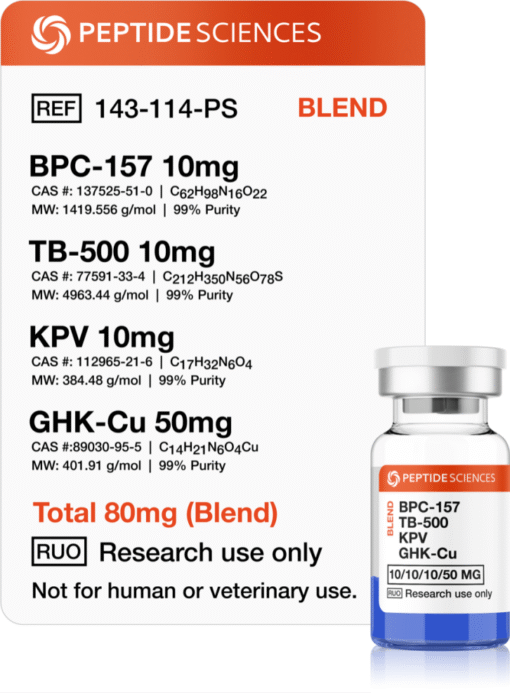
CoA available Manufacturing: Laboratory controlled conditions Unreconstituted: 20C Reconstituted: 28C Protect from light
Neither their financial interests nor the demands of people using these illegal products should have any bearing on FDA decision-making
peptide was selected and incorporated into a sprayable hydrogel system, which effectively suppressed inflammation in the absence of any additional drug loading
For another, some people have trouble digesting and absorbing the nutrients from supplements