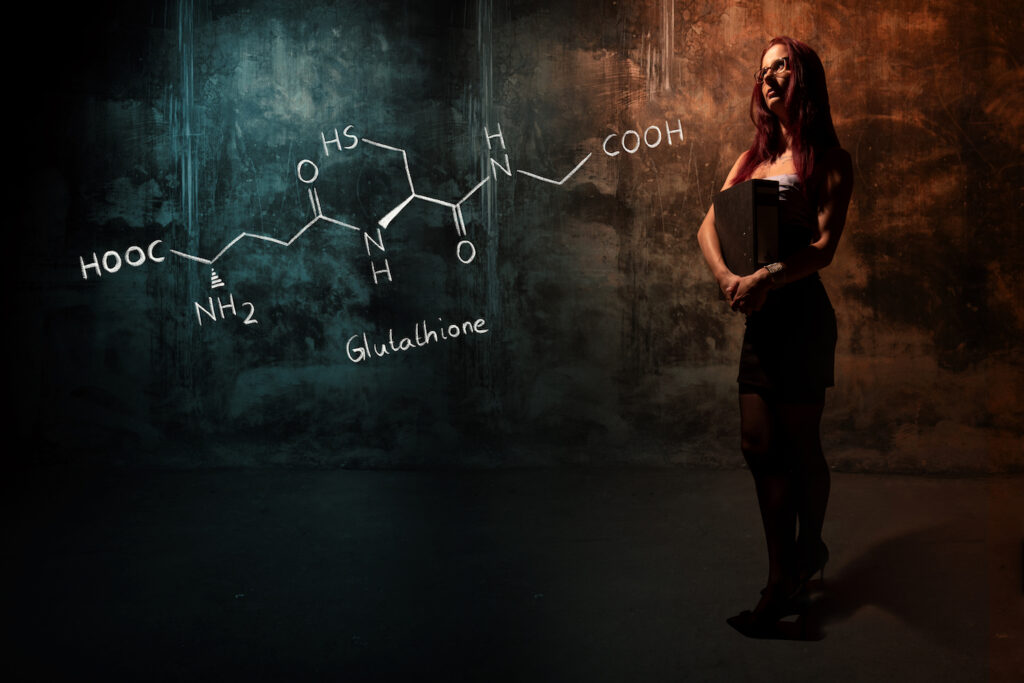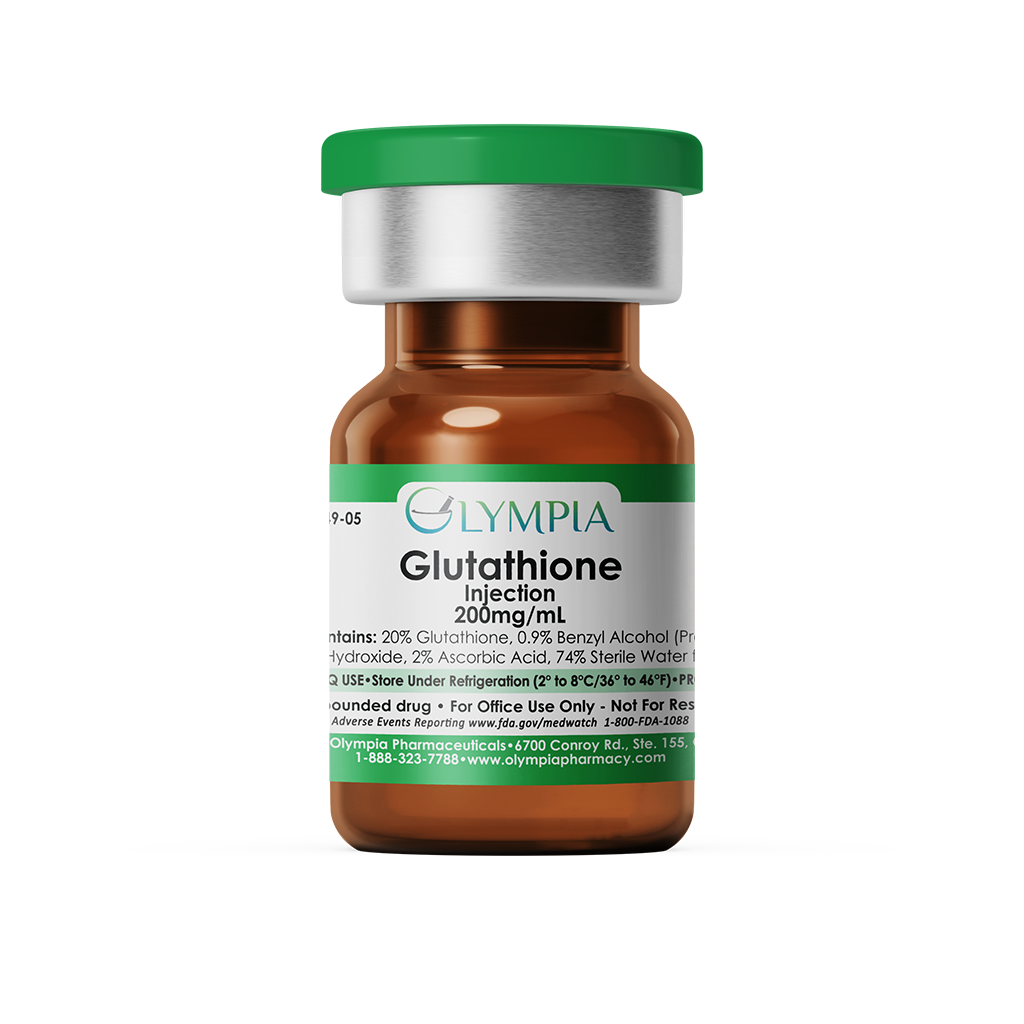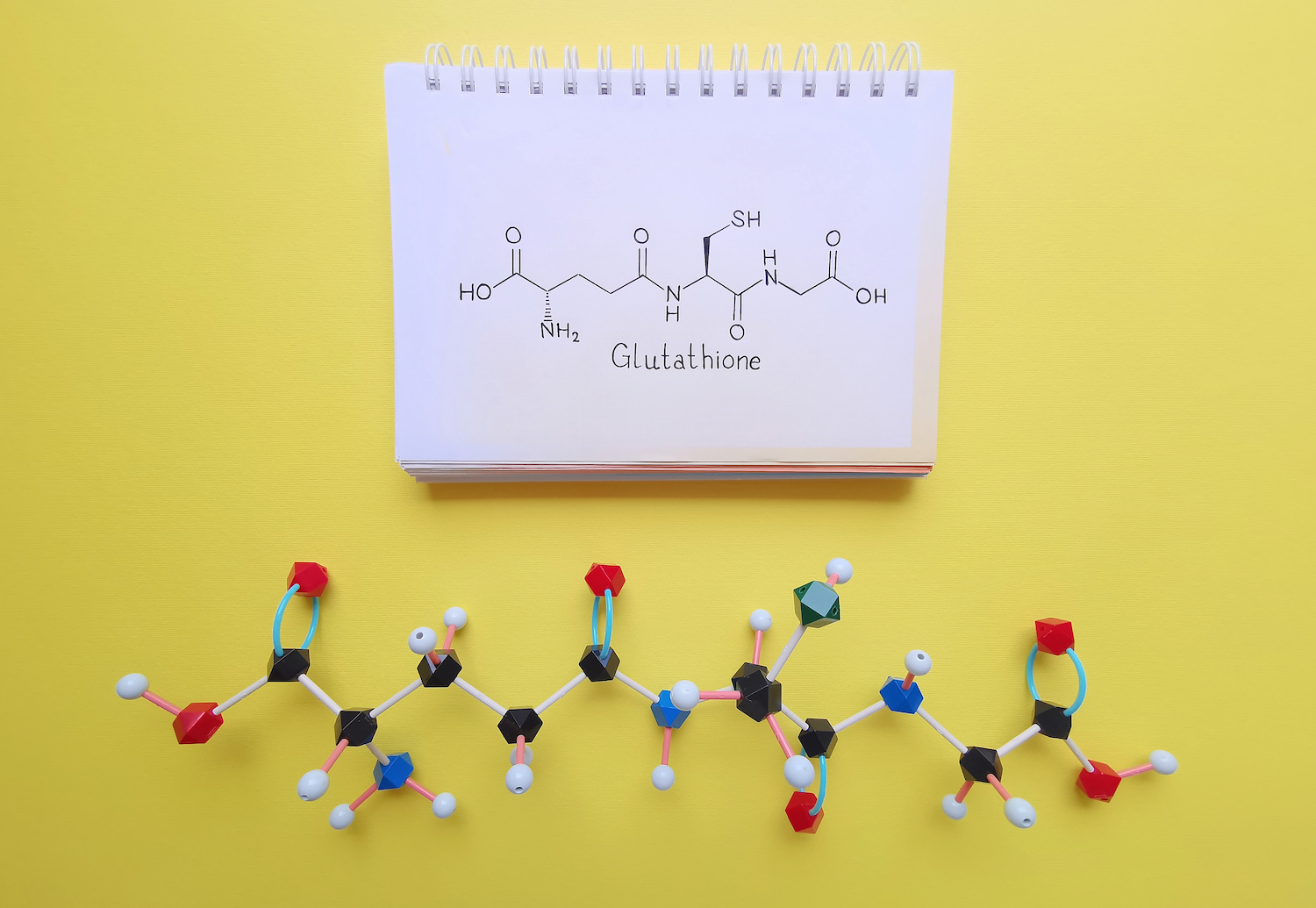
The conditions that have been associated with glutathione deficiency include the following: Neurodegenerative diseases such as Alzheimers, Parkinsons and Huntingtons disease and ALS Pulmonary diseases such as COPD, asthma, and acute respiratory distress syndrome Immune system disorders Cardiovascular diseases such as high blood pressure, elevated cholesterol, and heart attacks Chronic age-related disorders such as cataracts, macular degeneration, hearing impairment, and glaucoma Liver disease Cystic fibrosis Aging processes (Pizzorno, 2014)
Pre-fixation was done with 2.5% glutaraldehyde phosphate (0.1 M, pH 7.4) overnight at 4 C
Glutathione can shift melanin synthesis toward lighter pigment in laboratory settings and a handful of small studies, which is the mechanistic seed behind the marketing
In conclusion, although antioxidant strategies represent a very promising approach to slow the progression of the disease, it is of utmost need to invest on the characterization of OS profiles representative of each subtype of patient, in order to develop personalized therapies, allowing to understand the characteristics of antioxidants that have beneficial effects on different subtypes of patients
Human kidney proximal tubules are the main source of plasma glutathione peroxidase