Using an isolated guinea pig heart model, several studies have shown that acetaminophen (0.35 mM) can increase coronary vascular resistance and positive inotropy (Merrill et al., 2001), attenuate ischemia-reduced monophasic action potentials (Merrill and Goldberg, 2001), and improve left ventricular contractility (rate of developed pressure) during post ischemiareperfusion (Merrill et al., 2001

Why Purity Matters Contamination risks: Low-purity peptides may contain synthesis byproducts, truncated sequences, oxidized forms, or residual solvents Inconsistent results: Impure compounds produce unreliable research data a contaminated peptide may show effects that have nothing to do with the target molecule Degradation products: Improperly stored or old peptides degrade into fragments with unknown properties How to Verify Purity Method What It Tells You Reliability Vendor COA Vendor's own test results (HPLC, MS) Starting point only potential conflict of interest Third-party lab testing Independent purity verification Gold standard no commercial relationship with vendor Mass spectrometry Confirms molecular identity and weight High confirms you have the right compound HPLC analysis Measures purity percentage High industry standard for peptide purity Our recommendation: Always send samples to an independent testing lab before use

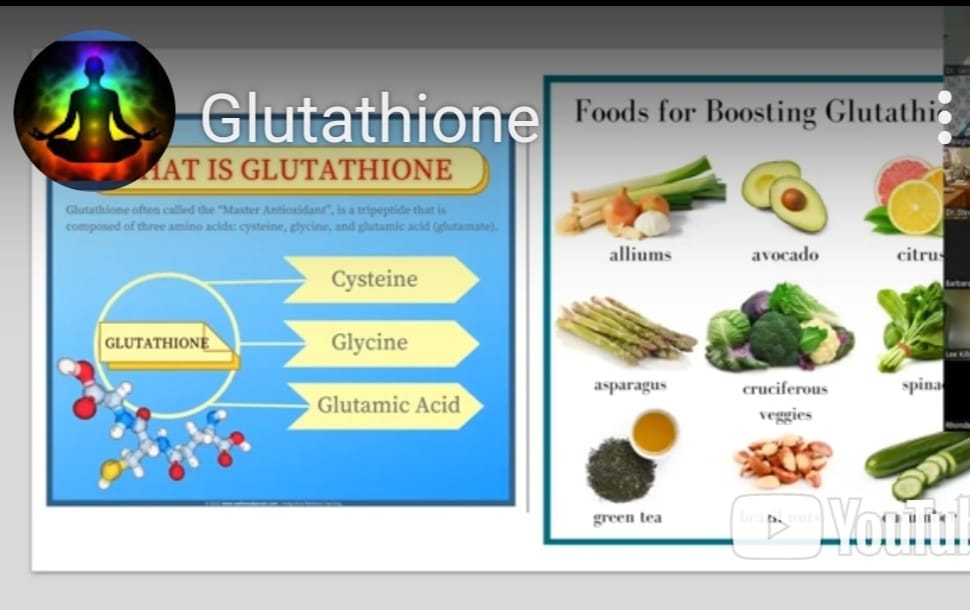
Avoid Some Medications Certain medications, such as acetaminophen (paracetamol) and aspirin, can deplete glutathione levels in the liver
Severely reduce the amount of zinc in the body Risk of protection against cancer cells
Omega-3 polyunsaturated fatty acids time-dependently reduce cell viability and oncogenic microRNA-21 expression in estrogen receptor-positive breast cancer cells (MCF-7)