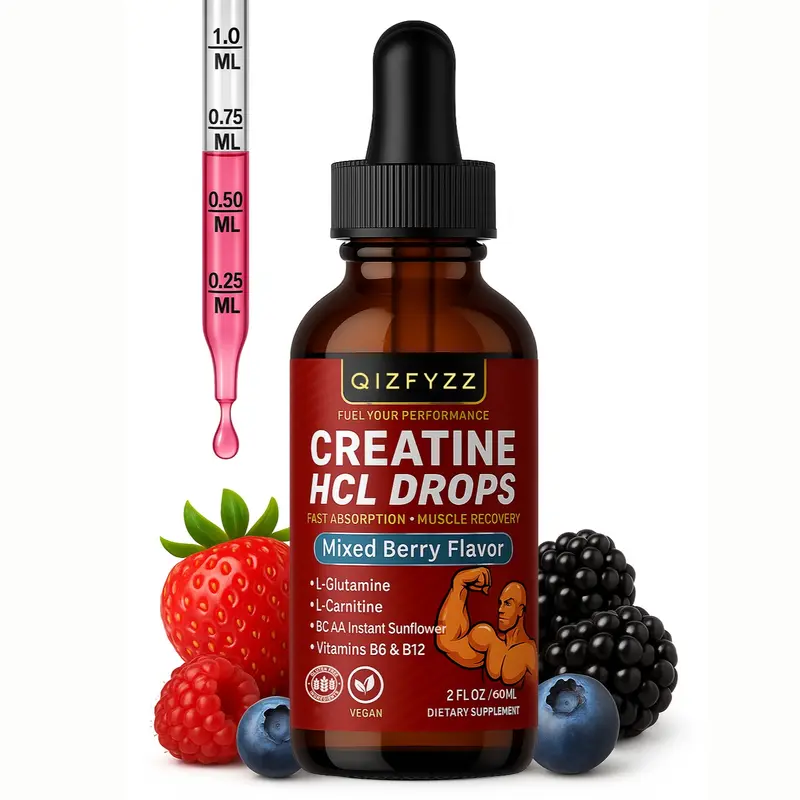
Key Takeaway: Effective skin support requires a combination of high-absorption supplements, synergistic nutrients like Vitamin C, and a lifestyle that minimizes oxidative stress and UV damage
348 The role of the UPS in NDDs The ubiquitinproteasome system (UPS) represents a highly coordinated protein quality-control network responsible for selectively tagging, recognizing, and degrading damaged, misfolded, or excess proteins through ubiquitination

Future Developments and Research Emerging Research Current scientific investigations explore: Long-term safety data from extended use studies Optimal combination protocols with other peptides Age-specific dosing recommendations Gender-specific response patterns Genetic factors affecting individual response Novel delivery methods (oral, transdermal) Precision dosing based on biomarkers Potential Improvements Future developments may include: Enhanced formulations: Longer-lasting peptide analogs Improved stability formulations Combination products with optimized ratios Delayed-release preparations Better monitoring: Home IGF-1 testing devices Real-time GH monitoring technology AI-driven dose optimization Personalized protocol algorithms Regulatory evolution: Potential FDA approval for specific indications Clearer legal frameworks Standardized quality requirements Enhanced safety guidelines The Role of Personalized Medicine Precision peptide therapy represents the future: Genetic testing to predict response Baseline hormone profiling Customized dosing algorithms Real-time adjustment based on biomarkers Integration with wearable technology AI-assisted protocol optimization As research advances, protocols for the ideal dose and dosing for Tesamorelin/Ipamorelin blend will become increasingly sophisticated and personalized
P.DesaiP
A Japanese study noted an increase of LSS symptoms with age, observing it in 1.9% of 40 to 49 year olds, 4.8% of 50 to 59 year olds, 5.5% of 60 to 69 year olds, and in 10.8% of those aged 70 to 79