[Learn More in MedlinePlus] Code History FY 2026 - No Change, effective from 10/1/2025 through 9/30/2026 FY 2025 - No Change, effective from 10/1/2024 through 9/30/2025 FY 2024 - No Change, effective from 10/1/2023 through 9/30/2024 FY 2023 - No Change, effective from 10/1/2022 through 9/30/2023 FY 2022 - No Change, effective from 10/1/2021 through 9/30/2022 FY 2021 - No Change, effective from 10/1/2020 through 9/30/2021 FY 2020 - No Change, effective from 10/1/2019 through 9/30/2020 FY 2019 - No Change, effective from 10/1/2018 through 9/30/2019 FY 2018 - No Change, effective from 10/1/2017 through 9/30/2018 FY 2017 - No Change, effective from 10/1/2016 through 9/30/2017 FY 2016 - New Code, effective from 10/1/2015 through 9/30/2016
Gulf war illness-related chemicals increase CD11b/c+ monocyte infiltration into the liver and aggravate hepatic cholestasis in a rodent model
Mack emphasizes the importance of integrating healthy lifestyle changes, such as diet and exercise, into your weight loss plan
GLOW Blend Research Protocols & Administration Dosing in Published Research Research investigations of individual components have employed various dosing strategies that inform potential combination approaches: BPC-157 studies: 10 mcg/kg most common in rat models (range: 1-1000 mcg/kg) TB-500 studies: 1-10 mg/kg typical range in rodent research GHK-Cu studies: 0.01-100 nanomolar concentrations in cell culture
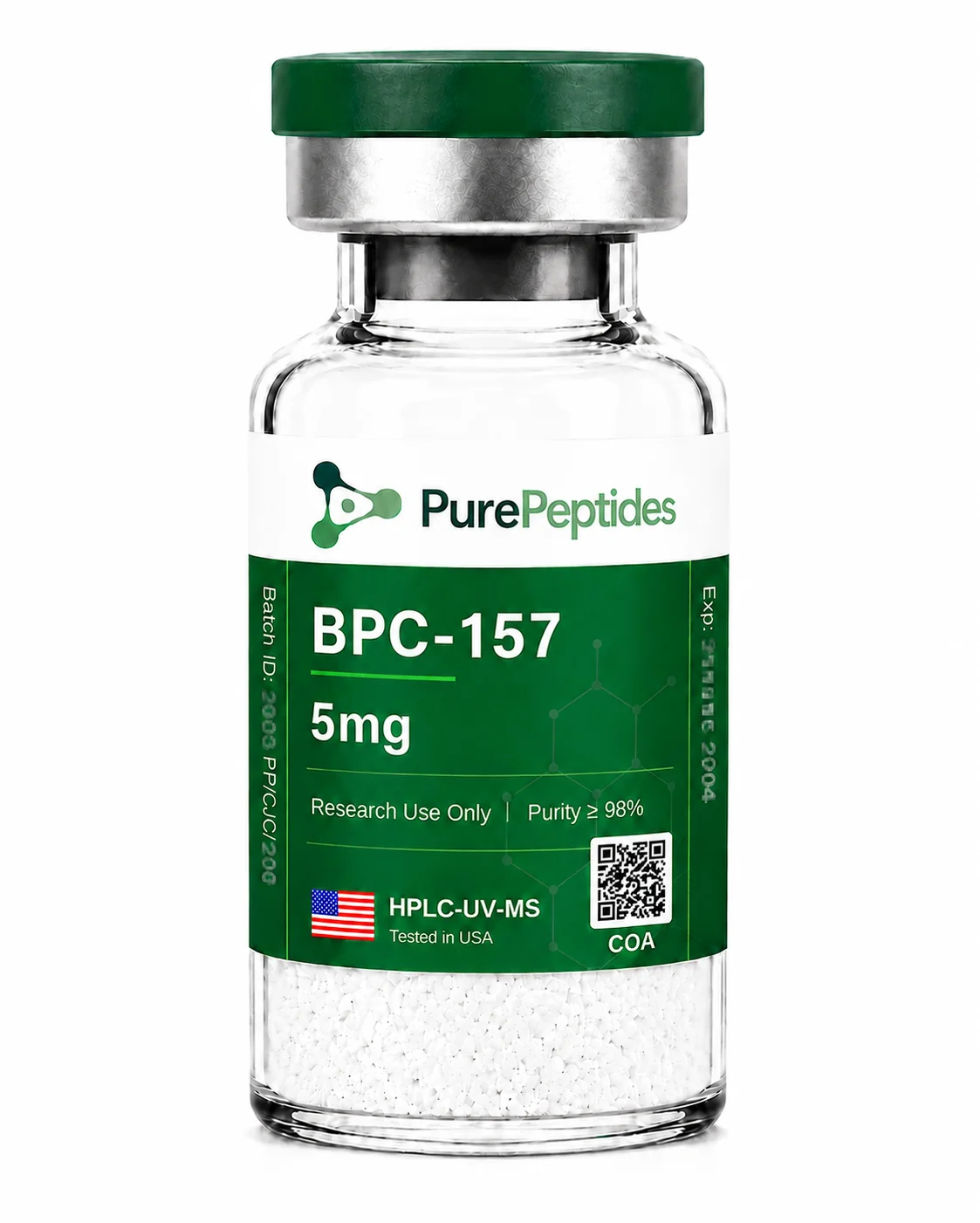
Each peptide is provided at a quantified content of 5 mg per vial