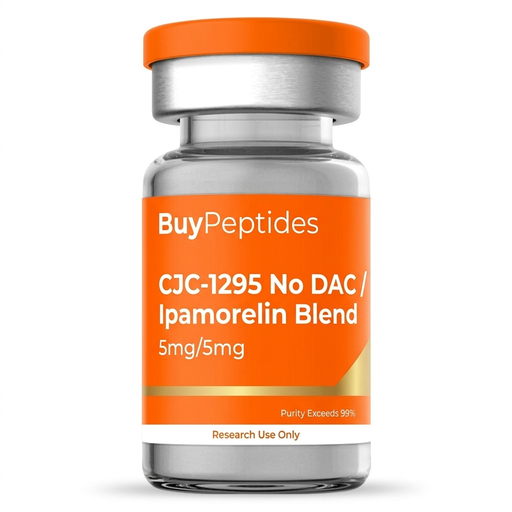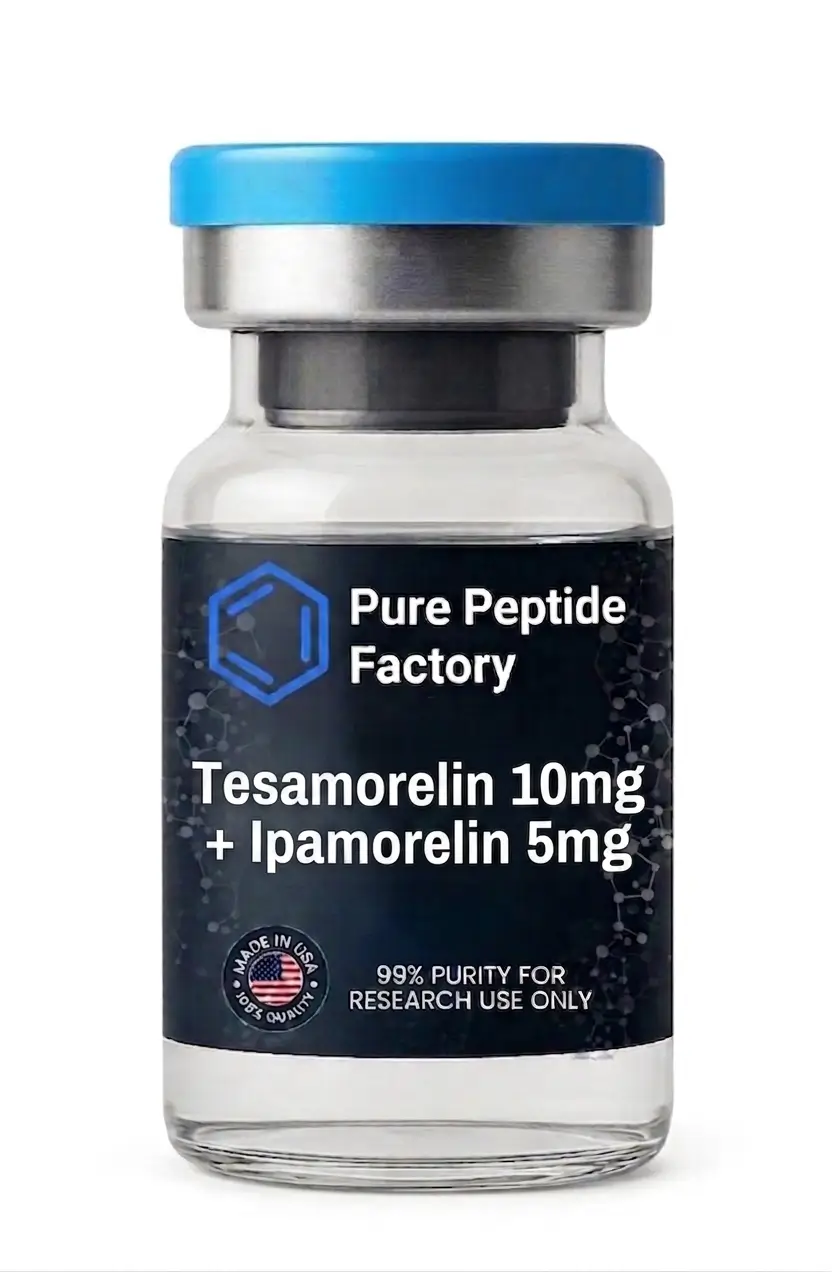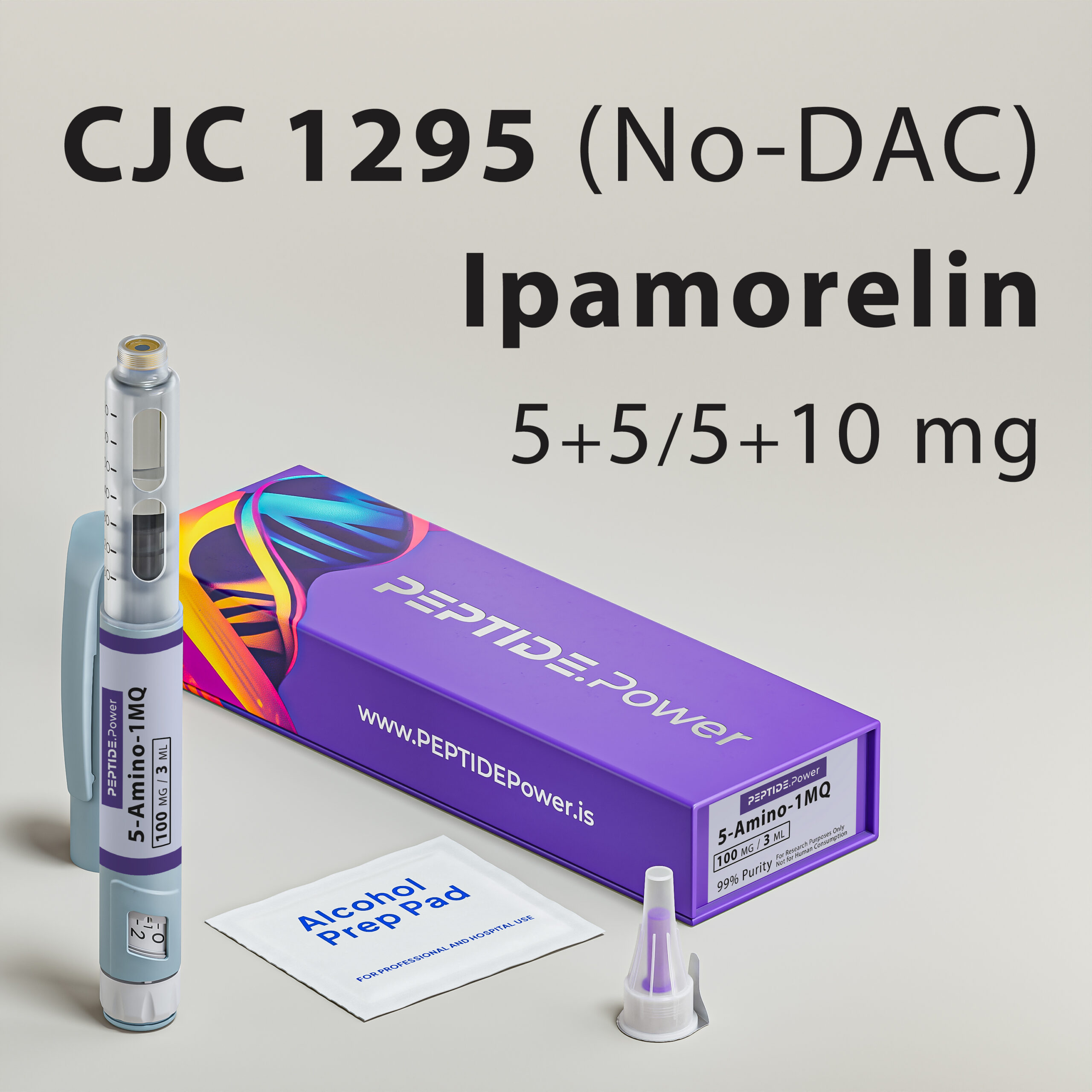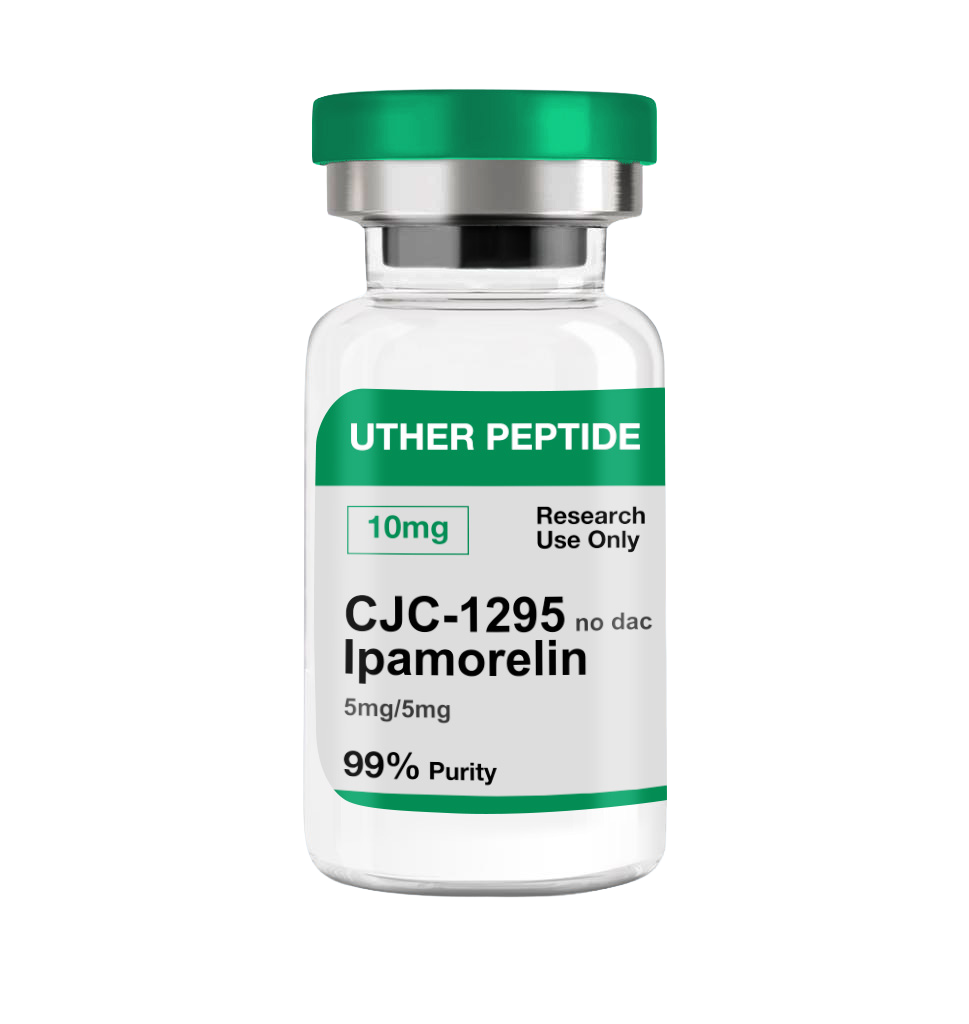
Red flags for unsafe peptides Avoid peptides with: High rates of serious side effects Unknown long-term consequences Hormonal disruption risks Organ growth potential Insulin resistance development Difficult-to-manage complications Warning signs: Peptide is "research only" with minimal human data Requires aggressive cycling to avoid tolerance Causes permanent changes (bone/organ growth) Difficult to source safely (suggests regulatory concerns) Risk vs reward assessment Safest peptides: Healing peptides (BPC-157, TB-500) - massive reward, minimal risk Moderate GH peptides (CJC-1295, Ipamorelin) - good reward, low risk Moderate safety: GHRP-6 - good reward, moderate risk (appetite, prolactin) Hexarelin - excellent reward, higher risk (desensitization, cortisol) Higher risk: IGF-1 LR3 - excellent reward, significant risk (hypoglycemia, organ effects) High-dose GH peptides - potential thyroid, insulin issues See our best peptides for muscle growth for comprehensive muscle-building options and peptides vs steroids comparison to understand relative safety

If you stop taking Glutathione tablets, you may notice an apparent change in skin tone and texture
Symptoms You Can Benefit From Peptide Therapy With Ipamorelin And CJC-1295 You may be a great fit for combined growth hormone peptide therapy with Ipamorelin and CJC-1295 if: You feel worn down after workouts, and recovery takes too long
Clinical data show modest fat reduction and lean mass preservation over typical protocol durations
Stimulation of the PI3K/Akt/mTOR protein synthesis pathway: Upon receptor activation, IGF-1 LR3 triggers intracellular cascades including PI3K and Akt phosphorylation