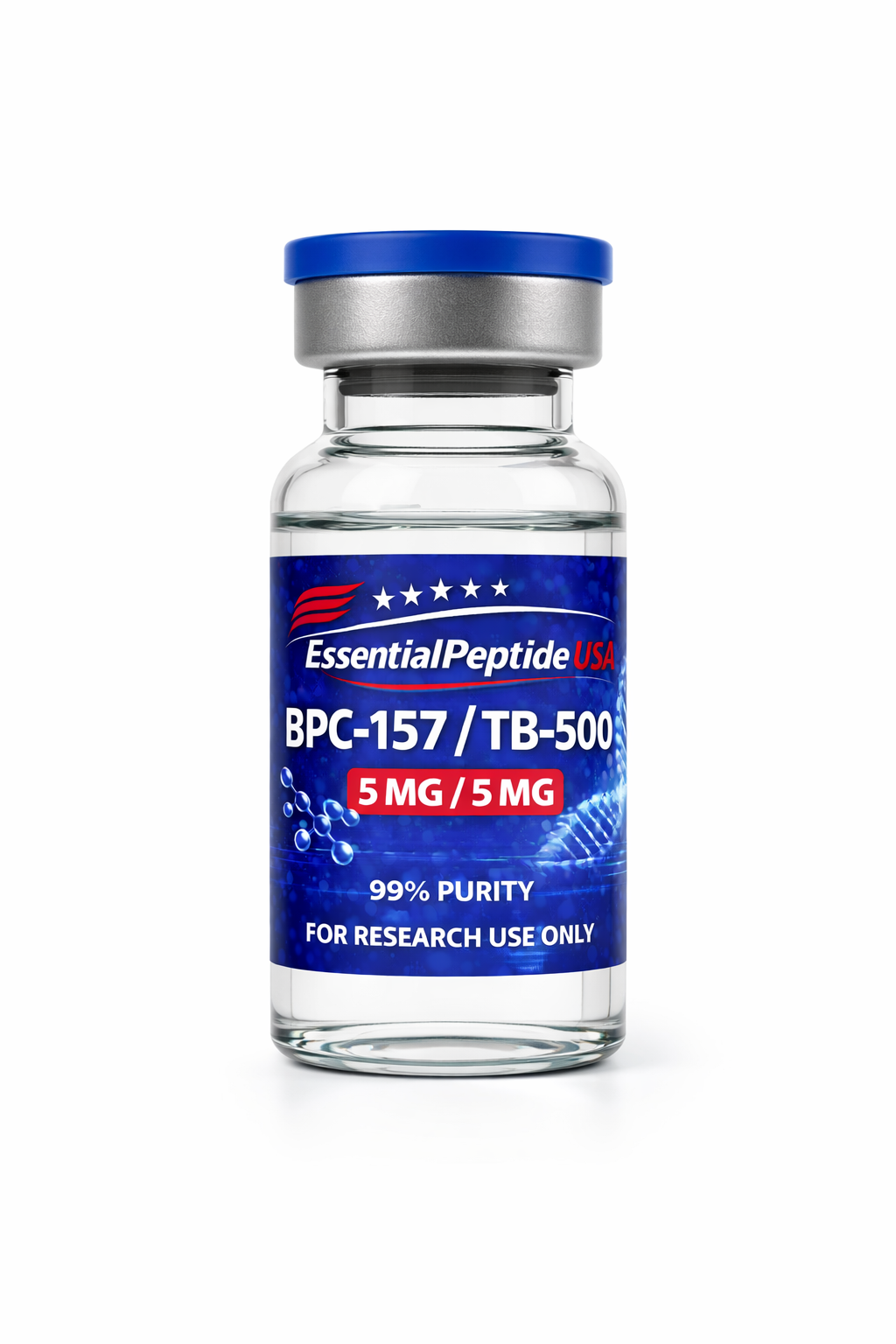
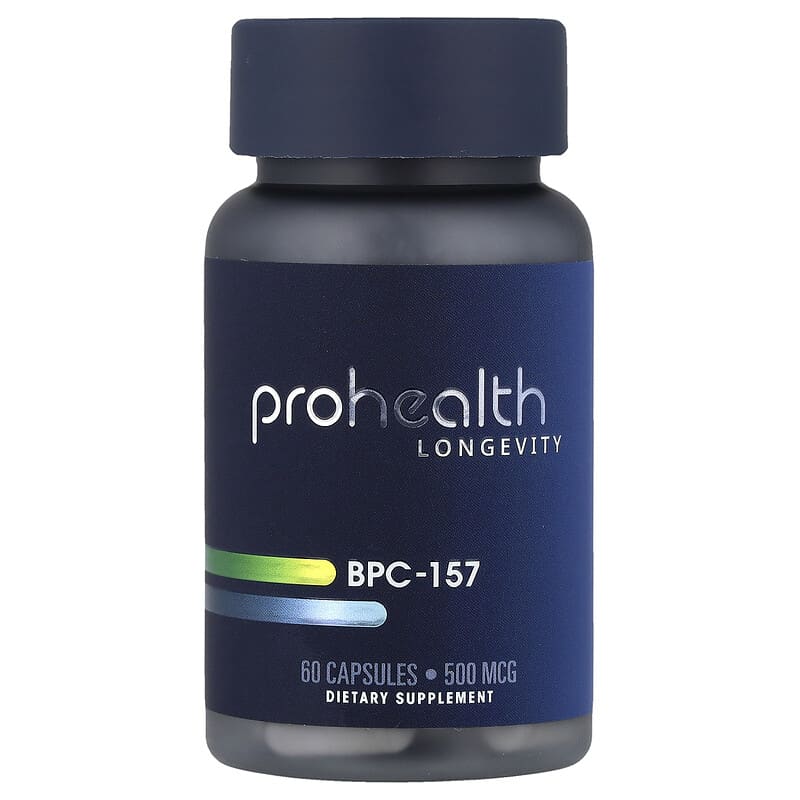
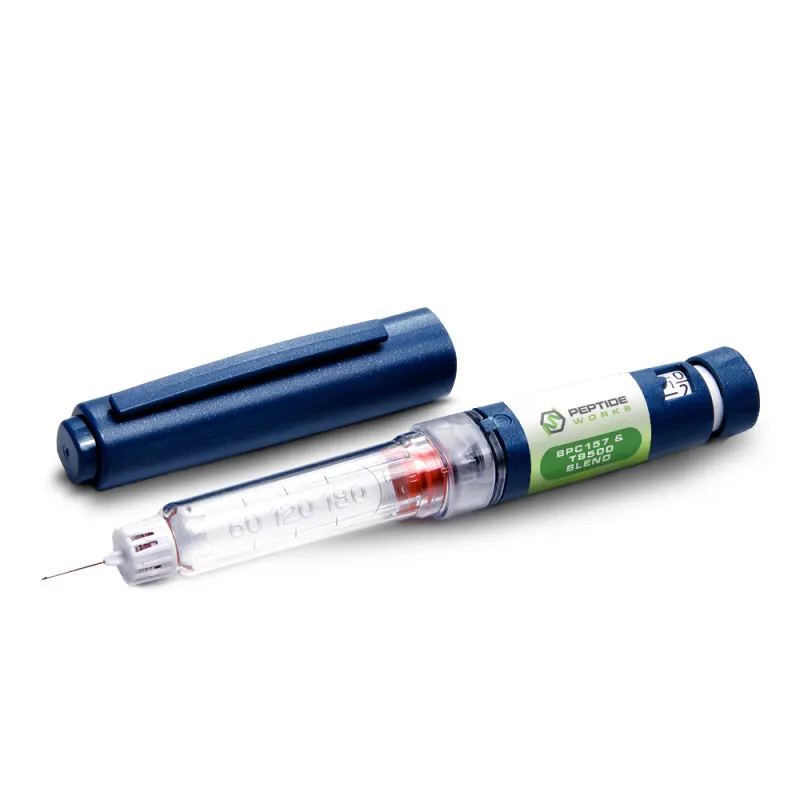
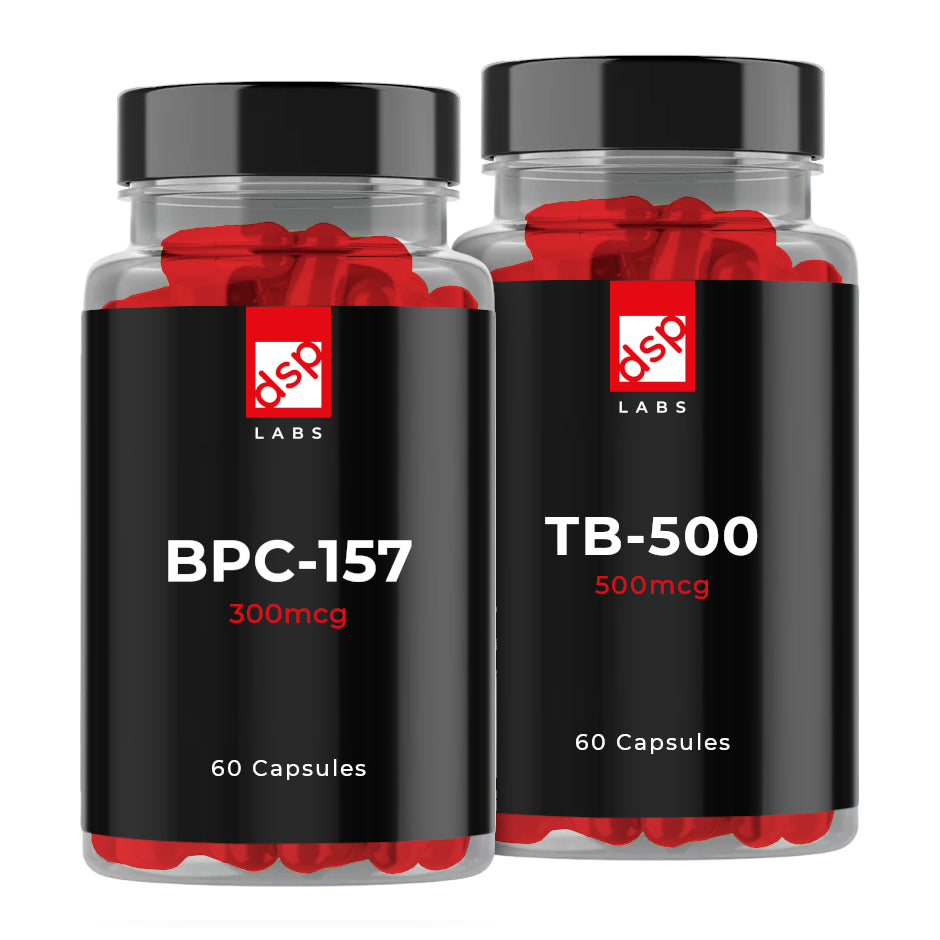
[3][4][5] Some research designs use both peptides in parallel arms specifically because their mechanisms are non-overlapping
Benefits Tendon and ligament repair studied for accelerating recovery in connective tissues Muscle healing explored for regeneration after injury in preclinical models Gut protection linked to gastric and intestinal lining repair research Angiogenesis promotes new blood vessel formation in healing tissues Cell signaling associated with fibroblast migration, collagen production, and nitric oxide modulation Localized Effects with Nasal Spray Rapid uptake through the nasal mucosa Direct access to systemic and central healing pathways in preclinical models Formulated with a specialized isotonic nasal vehicle to minimize irritation and dryness What Researchers Use It For Angiogenesis and vascularization in soft tissue recovery Fibroblast migration and collagen deposition pathways Protection of gastric and intestinal lining in animal studies Neuroprotective and anti-inflammatory signals in preclinical research Identity & Specs Sequence: Gly-Glu-Pro-Pro-Pro-Gly-Lys-Pro-Ala-Asp-Asp-Ala-Gly-Leu-Val Formula / M.W.: C62H98N16O22, ~1419 g/mol CAS: 137525-51-0 Form: Sterile nasal spray solution Net per vial: 10 mL (~100 sprays) Total Content: 10 mg BPC-157 per vial Purity: 99% (HPLC) Identity: MS-verified (per COA) Storage: Refrigerate 28 C, protect from light Selected Research PubChem entry chemical identity: Tendon and ligament healing research: Gut protection and gastric healing studies: Angiogenesis and tissue repair (animal models): Nitric oxide and healing pathways: Disclaimer This product is intended for laboratory research use only
In a 1992 study in rats, the major finding was that intraperitoneal DSIP injection increased the concentration of substance P a neurotransmitter positively correlated with the regulation of anxiety and mood15 in the hypothalamus, suggesting to the researchers that the peptide sharply decreases the classical manifestations of stress.16 Earlier studies in humans, namely a series of five trials published in 1983, came to similar conclusions, with better relaxation and apparently improved tolerance against psychic stress reported by the subjects.17 Its possible that the improved stress and anxiety markers were consequent to DSIP-associated sleep enhancements.18 Substance use recovery A study from 1984 published in European Neurology describes DSIPs potential use as a treatment for alcohol and opiate use disorders
Your Health Magazine Contributor More Health News & Research Articles How to Reconstitute Peptides: Complete Guide for 2026 DISCLOSURE: This article contains a sponsored link and was published as sponsored content
maintenance phase is the heavy draw 26 weeks 13 vials Standard Phase 2 duration 32 weeks 16 vials Phase 2 T2D study duration 68 weeks 30 vials REDEFINE 1 / REDEFINE 2 endpoint duration Peptide Vials (10 mg vial, 2.4 mg/week target) Each 10 mg vial covers about 4 weekly doses at 2.4 mg/week