Muscle recovery is often the fastest, with changes in healing progression at 2 to 3 weeks for Grade I/II strains
Standard Rest Periods: After 10-day cycle: 20-30 days rest After 20-day cycle: 40-60 days rest After extended cycles: 90+ days rest During rest periods, researchers can analyze collected data, plan protocol modifications, and prepare for subsequent cycles

Applications in Research Investigation of FOXO4p53 proteinprotein interactions Study of cellular senescence and transcription factor regulation In vitro models examining stress-response signalling pathways Use as a research tool in aging and cell-cycle biology studies Handling & Stability Handle under dry, clean laboratory conditions Reconstitute in sterile water or appropriate buffered solution Avoid vigorous agitation during dissolution Aliquot reconstituted solutions to avoid repeated freezethaw cycles Store reconstituted material at 20 C or below for long-term stability Specifications Summary Purity: 98 % (HPLC) Appearance: White to off-white lyophilised powder Peptide Type: Synthetic modified research peptide Molecular Weight: 5358.05 g/mol Solubility: Water, buffered aqueous solutions Storage: 20 C, desiccated, protected from light Precautions & Notes Intended strictly for laboratory research use Not for human or veterinary application Experimental outcomes may vary depending on model system and assay design Appropriate controls are recommended to interpret pathway-specific effects References Baar M.P

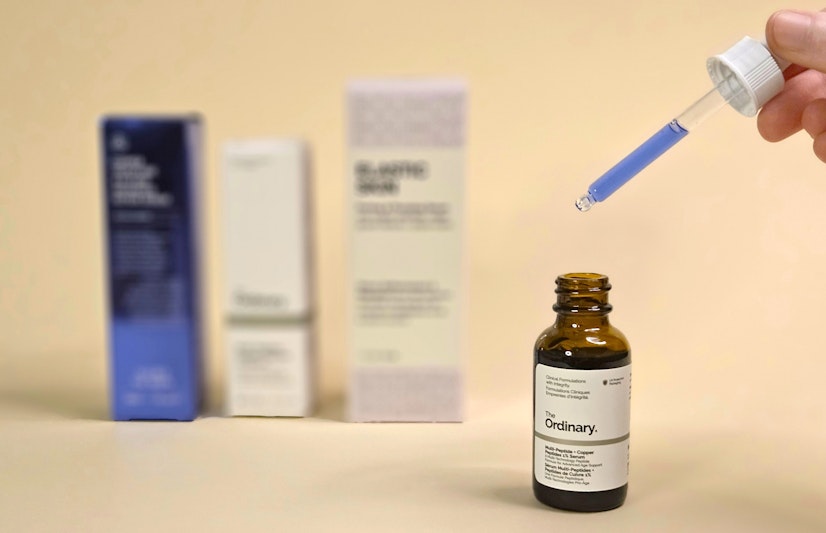
Later, the hair world noticed copper peptides too, since scalp inflammation and poor follicle signaling can push follicles into a rest phase and make new hairs come in thinner
Research indicates that BPC-157 may interact with NO-related pathways, which are important for maintaining vascular balance