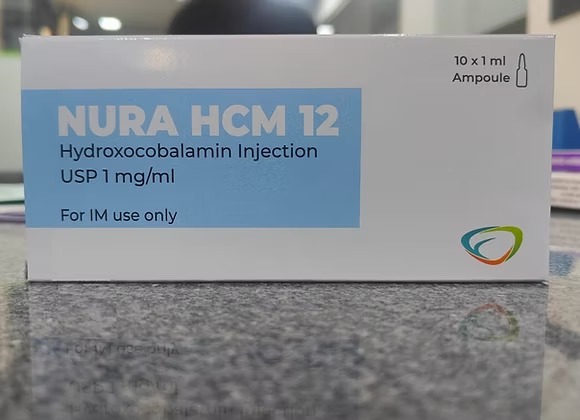
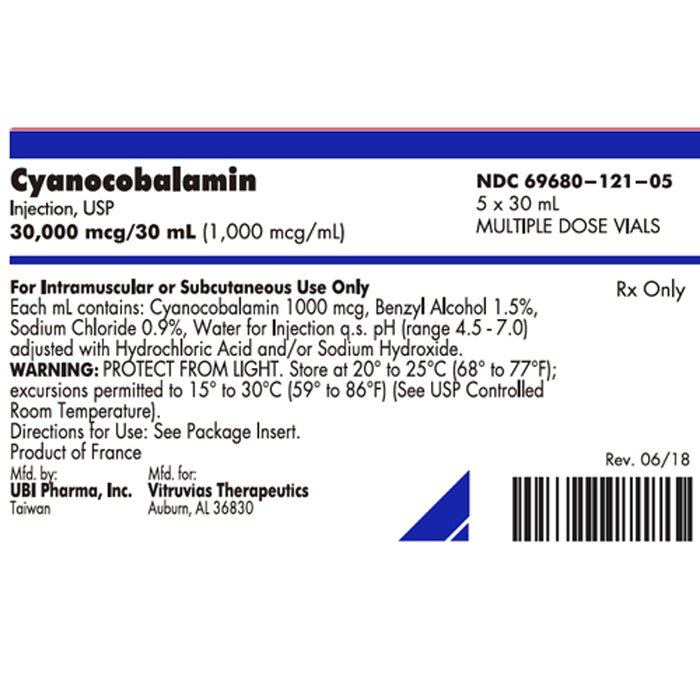
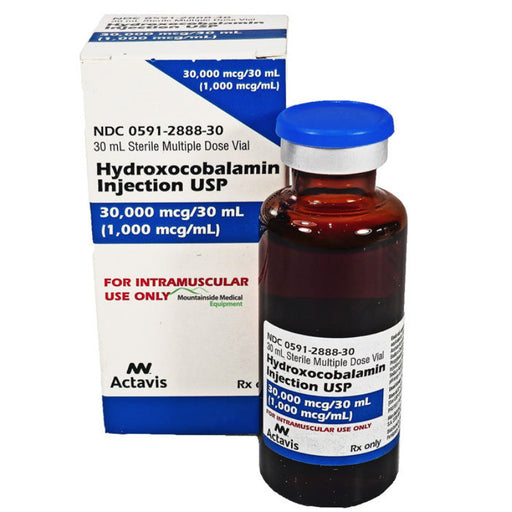
The frequency of B12 injections depends on the reason they are prescribed, lab results, and individual response. For documented deficiency, protocols commonly start with more frequent injections (for example, weekly) and then taper to monthly or every 23 months once levels and symptoms stabilize. Some wellness clinics suggest injections every 24 weeks for individuals seeking maintenance of energy levels and mood, provided there is no contraindication and the plan is overseen by a healthcare provider. Regardless of the schedule, ongoing monitoring for symptoms and, when appropriate, periodic blood tests are important to ensure safe and effective supplementation. Benefits of Vitamin B12 Injections B12 injections have a long history of use and are considered safe and effective for treating deficiency when administered correctly. By bypassing the digestive tract and entering the bloodstream directly, injections can quickly increase B12 availability to cells throughout the body. B12 injections can also improve cognitive function and reduce the risk of neurodegenerative diseases

Folic acid is a synthetic form of folate, or vitamin B9, a nutrient that helps the body make red blood cells and is essential for healthy cell growth and function, according to the Mayo Clinic
Lifestyle modification including stress reduction, sleep hygiene, regular physical activity, and a nutrient-dense diet is essential for managing inflammation and supporting overall health
Importantly, BPC-157 reduces inflammation without completely suppressing the immune response like corticosteroids do
As with all injectable procedures, possible risks include bruising, tenderness, or mild discomfort